
Blood Pressure & Hypertension Treatment in Beverly Hills & California
High blood pressure is common—and very treatable. At Be Well Medical Group, we make it simple: clear numbers, practical plans, and care that fits your life. We explain every option and never pressure you into anything you’re not ready for. In-Network with Medicare Part B, Cigna, Aetna, United, or $150/month.

Blood Pressure & Hypertension Overview
Understanding High Blood Pressure (Hypertension)
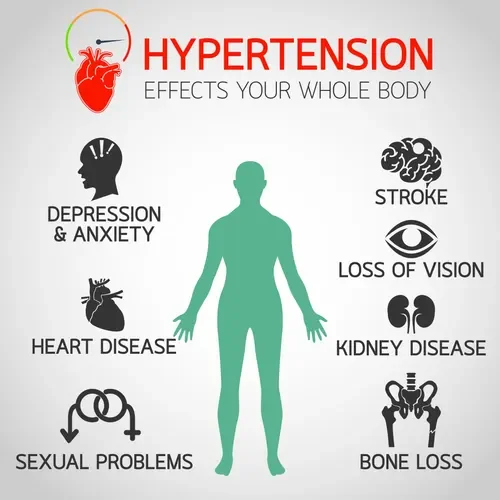
Blood pressure is the force of blood on your artery walls. Over time, higher pressures strain the heart, brain, kidneys, and eyes—raising risk for heart attack, stroke, kidney disease, vision changes, and cognitive decline.
We combine medication (when needed) with lifestyle coaching around nutrition, movement, sleep, stress, and weight—so treatment feels doable day-to-day.
How Common is Hypertension by Age groups?
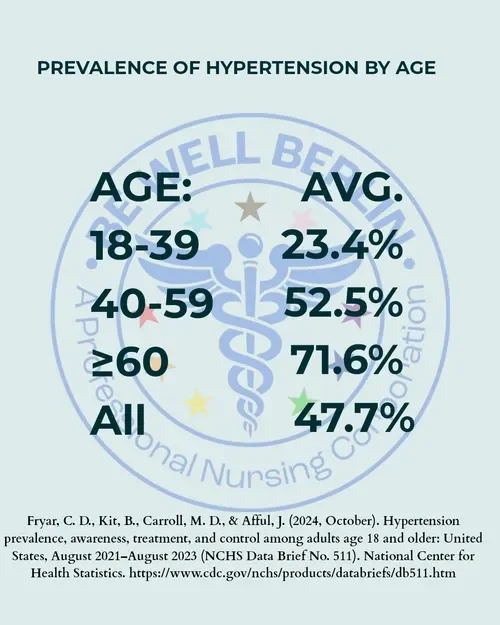
By AHA/ACC definition (≥130/80), U.S. prevalence of hypertension 2021–2023 (CDC/NCHS Data Brief 511):
- 18–39 years: 23.4%
- 40–59 years: 52.5%
- ≥60 years: 71.6%
- All adults: 47.7%
Prevalence of Hypertension for Men by age
- 18-39 years: 30%
- 40-59 years: 55.9%
- ≥60 years: 72.7%
- All Men: 50.8%
Prevalence of Hypertension for Women by age
- 18-39 years: 16.4%
- 40-59 years: 49.0%
- ≥60 years: 70.6%
- All Women: 44.6%
Pathophysiology of Hypertension
As we age, arterial walls stiffen, making blood vessels less elastic. This stiffening drives hypertension in middle age and beyond
Uncontrolled hypertension damages:
✦ Heart → left ventricular hypertrophy, heart failure
✦ Brain → stroke, vascular dementia
✦ Kidneys → chronic kidney disease.
The goal of treatment is not just lowering numbers today but preventing long-term disease.
Before modern medicine, average life expectancy was ~30 years; today, thanks to preventive medicine (including BP control), U.S. life expectancy is ~76 years (CDC NCHS)
The new AHA/ACC definitions of Hypertension – and when to treat
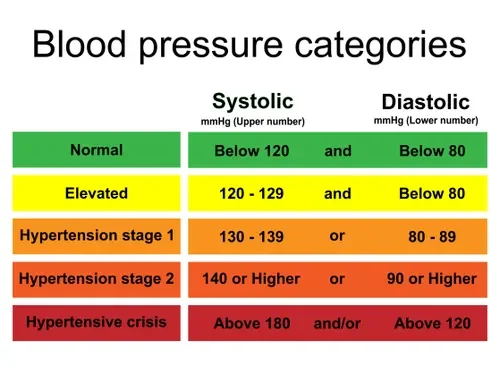
Current AHA/ACC categories (2017 guideline reaffirmed in 2025):
- Normal: <120/<80 mmHg
- Elevated: 120–129/<80 mmHg
- Stage 1 HTN: 130–139 or 80–89 mmHg
- Stage 2 HTN: ≥140 or ≥90 mmHg
Treatment thresholds:
Stage 1: if 10-yr risk of heart attack or stroke ≥7.5% (using PREVENT calculator) or established CVD, meds are recommended; otherwise, start with lifestyle and consider treatment if elevation persist in ~3-6 months.
Stage 2: meds + lifestyle changes (AHA/ACC 2025)

Secondary Causes to Rule Out
Hypertension can be “secondary” to another condition. Common causes include:
- Medications (NSAIDs, decongestants, steroids, OCPs, stimulants)
- Obstructive Sleep Apnea (OSA)
- Lifestyle: Obesity, Alcohol, Nicotine Use
- Chronic kidney disease / renal artery stenosis
- Primary aldosteronism (important: prevalence higher than once thought, now emphasized in 2025 guideline) (JACC Review 2025)
- Endocrine causes (thyroid, parathyroid, Cushing’s, pheochromocytoma)
Lifestyle Management for Blood Pressure
- Sustained weight loss produces a ~1 mmHg drop in BP per kilogram (2.2 lb) lost (Neter et al., Hypertension 2003).
- Even 5–10% body weight loss can significantly reduce cardiovascular risk.
- We gladly use GLP1 medications (Ozempic, Wegovy, Semaglutide, Mounjaro, Zepbound, Tirzepatide) to help patients with weight loss
Physical Activity
- 150 minutes/week of moderate activity (e.g., brisk walking) lowers BP by 4–9 mmHg (Mayo Clinic – Hypertension Lifestyle Changes).
- Regular activity also improves vascular stiffness and metabolic health.
Alcohol & Tobacco
- Limit alcohol: ≤1 drink/day for women, ≤2 drinks/day for men reduces risk.
- Avoid tobacco: Each cigarette raises BP acutely; quitting lowers cardiovascular risk immediately.

Lifestyle Management for Blood Pressure
Nutrition
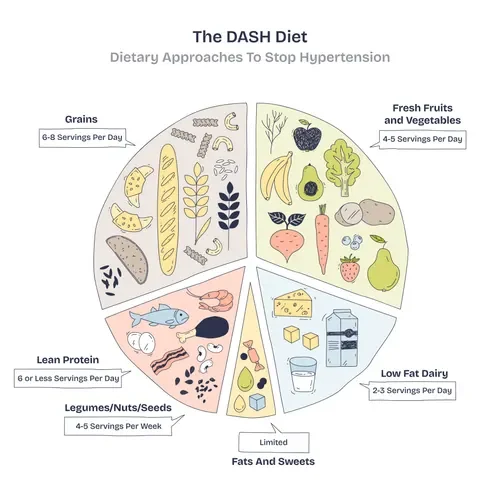
- DASH Diet (Dietary Approaches to Stop Hypertension): Rich in fruits, vegetables, whole grains, lean proteins, and low-fat dairy. Proven to lower BP by ~11 mmHg in patients with hypertension (NIH DASH Trial).
- Salt / Sodium Intake: The 2025 AHA/ACC guidelines recommend ≤2,300 mg/day, with an ideal goal of ≤1,500 mg/day for most adults with or at risk for hypertension
Sleep & Stress
- Treating sleep apnea with therapies like CPAP doesn’t just improve energy and sleep quality—it also directly lowers blood pressure, especially in people with resistant hypertension who haven’t responded well to standard medications.
- Mindfulness, CBT, or stress-reduction programs can lower SBP by ~5 mmHg in some patients.

Why Choose Be Well Medical Group?
At Be Well Berlin, we believe blood pressure care should feel supportive, not stressful. Here’s what sets us apart:
✦ Judgment-free care: We treat the whole person, not just the numbers. Every plan is collaborative and respectful.
✦ Local & statewide reach: In-person care in Los Angeles, West Hollywood, Beverly Hills, or Hollywood—or via telehealth anywhere in California.
✦ Advanced training: Our care is guided by ongoing education, including participation in UCSF Cardiology for the Practitioner conference (Yosemite, 2023).
✦ Focused on prevention: We aim not just to control blood pressure today, but to protect your heart, brain, and kidneys for years to come.
Ready to feel better and take control of your health?
Blood Pressure & Hypertension Frequently Asked Questions
What symptoms can high blood pressure cause?
Most people with hypertension have no symptoms, which is why it’s called a “silent killer.” Some may notice headaches, fatigue, or vision changes, but often the first sign is a complication like stroke or heart disease. Regular blood pressure checks are the only way to know for sure.
Do I need medication right away if my blood pressure is high?
Not always. For some patients, lifestyle changes like reducing sodium, losing weight, exercising, and treating sleep apnea can lower blood pressure without medication. Medication is usually recommended if readings are consistently high (Stage 2 or above), if you have other risk factors for heart disease or stroke, or if elevations persist after 6 months of lifestyle change.
What lifestyle changes are most effective for lowering blood pressure?
The DASH diet, regular physical activity (150 minutes/week), reducing alcohol and salt intake, quitting smoking, treating sleep apnea, and maintaining a healthy weight are the most effective proven strategies.
Can stress and mental health affect blood pressure?
Yes. Chronic stress, anxiety, and poor sleep can all contribute to higher readings. We often combine counseling, mindfulness strategies, or medications for anxiety/depression with blood pressure management for better results.
Can my nurse practitioner prescribe blood pressure medication in Los Angeles?
Yes. Isaac Berlin, FNP-C, is licensed in California and can prescribe and manage all common hypertension medications—including ACE inhibitors, ARBs, diuretics, calcium channel blockers, and beta blockers.
Is hypertension treatment covered by insurance?
Yes. We are in-network with Medicare Part B, Aetna, Cigna, and United. We also offer transparent cash pricing and 100/month membership options for patients without insurance or if they’re out of network.
Can you help if I already take blood pressure medications but my numbers are still high?
Yes. Many patients come to us when their blood pressure is not well controlled. We review your medications, check for secondary causes, and create a personalized plan that may include new therapies, weight management, or evaluation for sleep apnea.
Do you treat patients outside of Los Angeles?
Yes. We see patients in person in Los Angeles, West Hollywood, Beverly Hills, Santa Monica, Burbank, and Hollywood, and offer secure telehealth visits across California.