
Mental Health Care in Beverly Hills, Los Angeles, & California
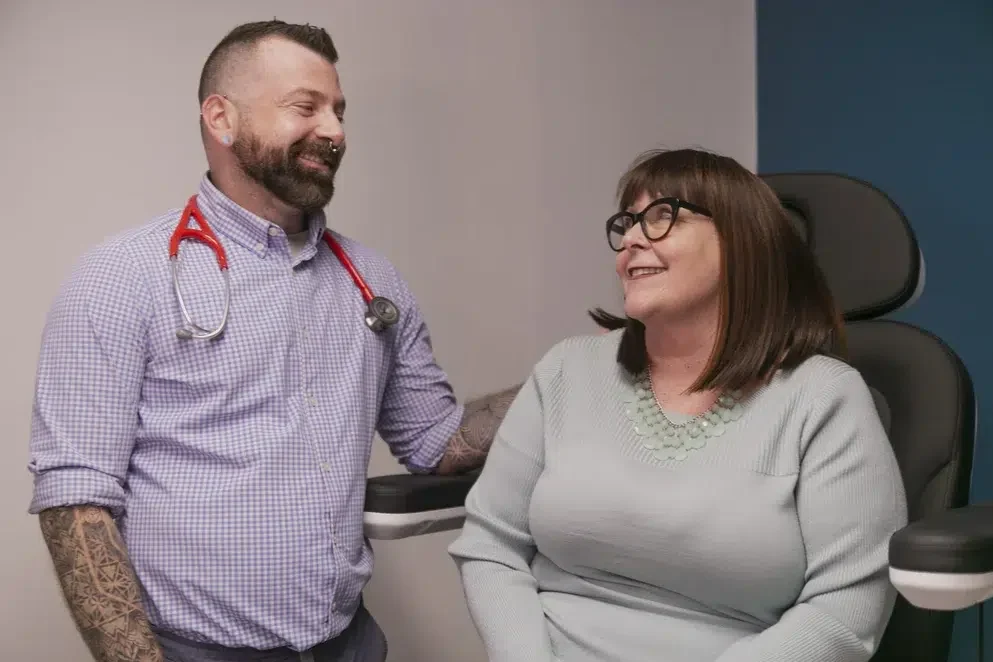
Mental health affects nearly every part of your life—from sleep, focus, and relationships to work, physical health, and overall well-being. At Be Well Medical Group, we provide personalized mental health care in Beverly Hills for adults who want thoughtful, practical support without feeling rushed or dismissed.
We provide evaluation and medication management for anxiety, depression, trauma, stress, ADHD, OCD, insomnia, panic attacks, and other common mental health concerns.
Patients can receive care in person at our Beverly Hills office or through secure telehealth appointments throughout California.
Whether you’re seeking mental health care for the first time, restarting treatment, or looking for a different approach after previous treatment hasn’t worked well, we’ll work with you to develop a plan based on your symptoms, medical history, goals, and preferences.

Personalized Mental Health Care That Fits Your Life
Mental health care should be more than a quick symptom checklist and a prescription.
At Be Well Medical Group, we take time to understand what you’re experiencing, how your symptoms affect your daily life, what treatments you’ve tried before, and what you want to accomplish.
Your care may include a comprehensive mental health evaluation, medication management when appropriate, CBT-informed strategies, Motivational Interviewing, lifestyle recommendations, and coordination with therapists, psychiatrists, or other specialists when needed.
Because mental and physical health are closely connected, we can also consider factors such as sleep, stress, medications, chronic health conditions, sexual health, and hormonal or metabolic concerns that may contribute to how you feel.
Finding the Right Treatment Can Take Time
Mental health treatment isn’t always a straight line. Finding the right medication, dose, or combination of treatments can involve some trial and adjustment. What works well for one person may not be the best fit for another.
When medication is part of your treatment plan, we pay close attention not only to whether it’s helping, but also to how you feel while taking it. If you’re experiencing side effects that are uncomfortable or unacceptable to you, we can discuss adjusting the dose, changing the timing, switching medications, or considering another approach when clinically appropriate.
Some medication side effects improve as your body adjusts, while others may persist or warrant a change in treatment. We’ll talk through what you’re experiencing rather than assuming you should simply tolerate a side effect that is significantly affecting your quality of life.
Your preferences matter, too. If there are particular side effects you’re especially concerned about—such as sexual side effects, weight changes, fatigue, sleep disruption, or feeling emotionally “flat”—tell us. When possible, we can take those priorities into account when selecting and adjusting your treatment.
How Long Does It Take to Feel Better?
There isn’t a reliable timeline that applies to everyone. Some patients notice meaningful improvement relatively early, while others need more time to find the right medication, dose, behavioral strategies, or combination of treatments.
Mental health medications may also require time to take effect, and treatment sometimes needs to be adjusted along the way. In our clinical experience, the majority of patients who remain engaged in treatment have made substantial progress by around the six-month mark, although individual results and timelines vary and improvement cannot be guaranteed.
The goal isn’t to rush the process. It’s to keep evaluating what’s working, what isn’t, and what we can reasonably change to move you toward feeling better.
Our goal is straightforward: help you understand your options and create a treatment plan that makes sense for you.
We’re grateful when patients trust us with something as personal as their mental health. That trust matters, and we’ll work to make sure you feel heard, informed, and involved in decisions about your care throughout the process.
Mental Health Conditions We Treat
Mental health concerns can look different from one person to another. Some patients come to us with an established diagnosis, while others simply know that something doesn’t feel right.
We evaluate and treat a range of common mental health concerns in adults.
Anxiety and Panic Attacks
Anxiety can cause persistent worry, racing thoughts, irritability, muscle tension, difficulty concentrating, sleep problems, and physical symptoms such as a rapid heartbeat or shortness of breath.
For some people, anxiety also includes panic attacks that appear suddenly and can feel frightening or overwhelming.
Treatment depends on your symptoms, medical history, previous treatment, and preferences. When appropriate, care may include medication management alongside behavioral and lifestyle strategies.
Depression
Depression can affect much more than mood. It may cause low motivation, fatigue, changes in sleep or appetite, difficulty concentrating, loss of interest in activities, irritability, feelings of hopelessness, or physical symptoms.
We evaluate your symptoms and overall health before discussing treatment options. If you’ve tried antidepressants in the past without getting the results you hoped for, we’ll review what you’ve already tried and discuss reasonable next steps.
ADHD
ADHD may affect attention, organization, time management, impulse control, productivity, and the ability to complete everyday tasks.
A careful evaluation is important because sleep disorders, anxiety, depression, substance use, medications, and other medical conditions can sometimes produce symptoms that overlap with ADHD.
When appropriate, we can discuss treatment options and ongoing medication management based on your individual needs and clinical history.
Obsessive-Compulsive Disorder (OCD)
OCD can involve intrusive or unwanted thoughts, repetitive behaviors, checking, reassurance seeking, or rituals that interfere with daily life.
Treatment may involve medication as well as specialized psychotherapy. When appropriate, we can provide medication management and coordinate care with a therapist or mental health specialist.
Insomnia and Sleep Problems
Sleep and mental health are closely connected. Anxiety, depression, stress, medications, medical conditions, and lifestyle factors can all contribute to difficulty falling asleep or staying asleep.
Rather than looking at sleep in isolation, we consider possible underlying causes and discuss treatment options based on your individual situation.
Stress, Burnout, and Mood Concerns
You don’t need to have a specific psychiatric diagnosis to ask for help.
Chronic stress, work pressure, relationship difficulties, major life changes, caregiver responsibilities, grief, and burnout can affect sleep, mood, concentration, energy, and physical health.
We can help you evaluate what’s happening and determine whether medical treatment, behavioral strategies, therapy, lifestyle changes, or another type of support may be appropriate.
Post-Traumatic Stress Disorder (PTSD)
Post-traumatic stress disorder can develop after experiencing or witnessing trauma and may affect sleep, mood, relationships, concentration, and your sense of safety. Symptoms can include intrusive memories, nightmares, avoidance, heightened anxiety or alertness, irritability, emotional numbness, and difficulty feeling like yourself again.
PTSD treatment is individualized. Depending on your needs, care may include medication management for symptoms such as anxiety, depression, or sleep disturbances, flashbacks, avoidant behaviors, along with behavioral strategies and coordination with a therapist or other mental health professional when appropriate.
Trauma-focused psychotherapy can be an important part of PTSD treatment. If you would benefit from specialized trauma therapy, we can support your medical treatment while you work with an appropriate therapist or specialist.
Our goal is to provide a respectful environment where you can discuss what you’re experiencing without feeling pressured to disclose more about a traumatic experience than is necessary for your medical care.

Mental Health Medication Management in Beverly Hills
Medication can be an effective part of treatment for many mental health conditions, but prescribing should be individualized.
Before recommending medication, we review your symptoms, medical and mental health history, current medications, previous treatments, side effects, and treatment goals.
If medication is appropriate, we’ll discuss why a particular option may be considered, potential benefits and side effects, alternatives, and what to expect during follow-up.
Medication management doesn’t end when a prescription is written. Follow-up appointments allow us to evaluate how you’re responding, address side effects or concerns, and adjust treatment when clinically appropriate.
If you’re already taking mental health medication and want to discuss your current treatment, we can review your regimen as part of your evaluation.
A Whole-Person Approach to Mental Health
Mental health doesn’t exist separately from the rest of your health. Symptoms such as anxiety, depression, fatigue, difficulty concentrating, changes in sleep, and changes in mood can sometimes be caused or worsened by underlying medical conditions.
That’s why an important part of thoughtful mental health care is considering whether there may be an organic or medical contributor to psychiatric symptoms, rather than automatically assuming every symptom is psychiatric in origin.
Depending on your symptoms and medical history, this may mean looking more closely at sleep disorders, thyroid disease, anemia or nutritional deficiencies, hormonal or metabolic changes, medication side effects or interactions, substance use, chronic illness, and other medical conditions that can affect mood, cognition, energy, or behavior. When appropriate, additional medical evaluation or laboratory testing may be recommended.
At Be Well Medical Group, this is something we consider routinely. Because our clinicians approach mental health within the context of primary and specialty medical care, we can evaluate the broader clinical picture—not just an isolated mental health symptom.
When Mental Health and Primary Care Need to Work Together
Complex cases sometimes require more than one clinician. A psychiatrist may bring specialized expertise in psychiatric diagnosis and medication management, while a primary care clinician can evaluate medical conditions, medications, laboratory findings, sleep, metabolic health, and other physical factors that may be contributing to the patient’s symptoms.
In these situations, co-management between psychiatric and primary care teams can be especially valuable. Rather than treating physical and mental health as unrelated problems, the clinicians can address different parts of the same clinical picture.
Be Well Medical Group patients benefit from having clinicians who regularly consider these medical contributors and understand the intersection between physical and mental health. When psychiatric consultation, psychotherapy, or another specialty is needed, we can recommend additional care while continuing to address relevant medical factors within our scope.
Your treatment plan may ultimately involve medication management, CBT-informed techniques, Motivational Interviewing, sleep and lifestyle interventions, treatment of contributing medical conditions, and collaboration with therapists, psychiatrists, or other specialists.
The goal is not simply to treat a symptom. It’s to understand why you’re experiencing it, what may be contributing to it, and which combination of medical and mental health care is most appropriate for you.
Looking for mental health medication management in Beverly Hills or through telehealth in California?

Inclusive, Sex-Positive & Judgment-Free Mental Health Care
Feeling comfortable talking openly with your healthcare provider matters. Mental health care works better when you don’t feel like you need to edit your life before talking to your clinician.
Be Well Medical Group provides respectful, inclusive care for people across different identities, relationships, lifestyles, and life experiences. Whether you’re straight or LGBTQIA+, single or partnered, monogamous or non-monogamous, sexually active or not, sober or using substances, our goal is the same: to understand your life as it actually is and provide care without unnecessary judgment or assumptions.
We are LGBTQIA+ affirming, sex-positive, kink-aware, and polyamory- and non-monogamy-affirming. Patients receiving gender-affirming care can also address mental health concerns as part of a broader whole-person approach when appropriate.
Your Relationships and Sexuality Are Part of the Whole Person
Relationships, sexuality, intimacy, and sexual health can affect mood, anxiety, self-esteem, medication choices, and overall well-being. Patients should be able to discuss these parts of their lives when they’re relevant to their care.
We welcome patients in monogamous, polyamorous, open, and other consensually non-monogamous relationships, as well as patients involved in kink and BDSM communities.
We don’t assume that your relationship structure, sexual interests, or consensual practices are problems that need to be “fixed.” Instead, when they’re relevant to your health, we focus on what actually matters—communication, consent, sexual health, medication effects, emotional well-being, risk reduction, and your individual goals.
Harm Reduction Without Judgment
Honest conversations about substance use are important for safe mental health care.
Our approach is grounded in harm reduction. Patients can talk openly about alcohol, cannabis, psychedelics, stimulants, party drugs, or other substances—including occasional, nightlife, or festival-related use—without automatically being labeled or judged.
Knowing what you’re actually taking matters medically. Recreational substances can interact with psychiatric medications, affect sleep and mood, increase certain health risks, and sometimes complicate symptoms of anxiety, depression, ADHD, and other conditions.
Our role is to provide accurate information about risks, medication interactions, and ways to reduce harm so you can make informed decisions about your health. If substance use is becoming harmful, difficult to control, or simply something you’d like to change, you can talk to us about that too.
That same philosophy applies throughout our practice: you can give us the real story. Our job is to help you take care of your health, not judge how you live your life.
Be Well Medical Group also provides specialized treatment for alcohol and opioid use disorders, including medication treatment when clinically appropriate.
Why Patients Choose Be Well Medical Group for Mental Health Care
Longer, More Thoughtful Appointments
Mental health concerns often require context. We take time to understand what you’re experiencing, how it affects your life, and what you want from treatment rather than reducing your concerns to a checklist.
Personalized Medication Management
Medication decisions are based on your symptoms, health history, previous treatment, current medications, preferences, and response to treatment. When side effects occur, we can often adjust the dose, timing, medication, or overall regimen to improve tolerability while working toward your treatment goals.
Whole-Person Medical Care
Mental and physical health frequently overlap. We consider relevant medical conditions, medications, sleep, substance use, sexual health, hormonal and metabolic factors, and other potential contributors to psychiatric symptoms. When appropriate, this may include additional medical evaluation or coordination with primary care, psychiatry, therapy, or other specialists.
LGBTQIA+ Inclusive Care
Our practice is committed to respectful, affirming healthcare for LGBTQIA+ patients. You should be able to discuss your identity, relationships, sexual health, gender-affirming care, and mental health concerns openly without judgment or assumptions.
Sex-Positive, Kink- and Poly-Affirming Care
We provide sex-positive care and welcome patients in monogamous, polyamorous, open, and other consensually non-monogamous relationships, as well as patients involved in kink and BDSM communities. Your sexuality, relationship structure, or consensual practices aren’t automatically treated as problems to be fixed. When they’re relevant to your health, we focus on what actually matters to you.
Harm Reduction Without Judgment
Honest conversations lead to safer medical care. Our harm-reduction approach means patients can talk openly about alcohol, cannabis, psychedelics, stimulants, party drugs, festival-related substance use, and other substances without automatically being judged or labeled.
Understanding what you’re actually taking can be particularly important when prescribing psychiatric medications because substances may affect mood, sleep, anxiety, attention, medication response, or safety. Our goal is to help you understand risks, interactions, and ways to reduce harm while respecting your autonomy.
In-Person and Telehealth Options
Patients can receive in-person mental health care at our Beverly Hills office, while eligible patients elsewhere in California can access care through secure telehealth appointments.
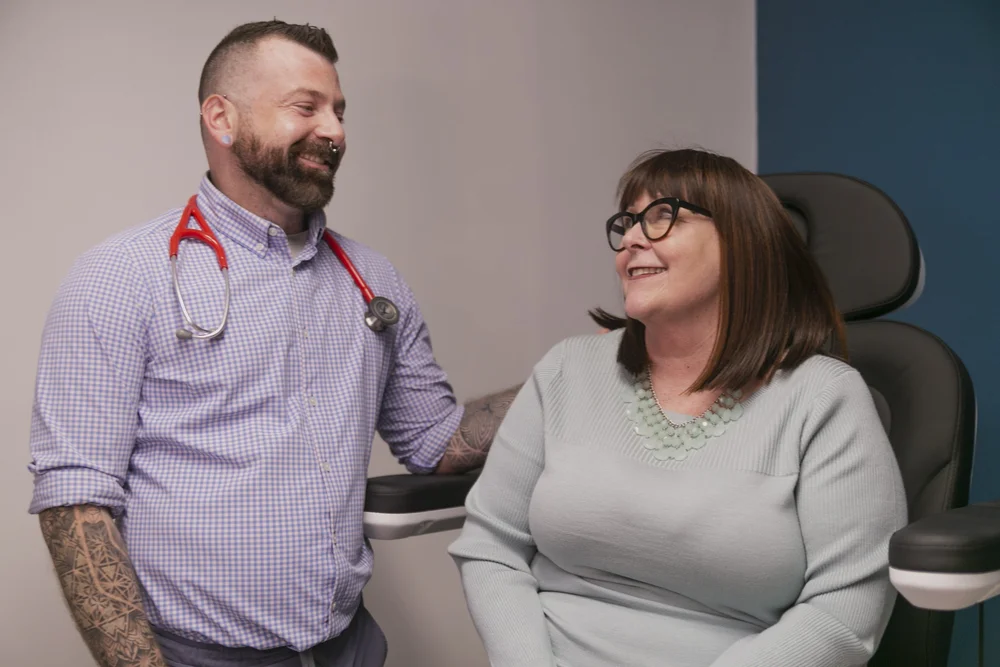

Mental Health Care With Isaac Berlin, MSN, FNP-C
Mental health care at Be Well Medical Group is provided by Isaac Berlin, MSN, FNP-C, a board-certified Family Nurse Practitioner who has cared for patients with mental health concerns since 2017.
Isaac completed additional fellowship training through the UC Irvine School of Medicine in Primary Care Psychiatry and Addiction Medicine, along with additional coursework in supportive psychotherapy, Cognitive Behavioral Therapy (CBT), and Motivational Interviewing.
His approach emphasizes listening, shared decision-making, and practical treatment plans built around each patient’s symptoms, medical history, preferences, and goals. Care may include comprehensive mental health evaluation, medication management, CBT-informed strategies, Motivational Interviewing, lifestyle interventions, evaluation of potential medical contributors to psychiatric symptoms, and coordination with other mental health professionals when appropriate.
As a medical provider, Isaac may incorporate supportive psychotherapy, CBT-informed techniques, and Motivational Interviewing into medical visits, but does not provide ongoing stand-alone psychotherapy. When regular counseling or specialized psychotherapy would be beneficial, patients are encouraged to establish care with a therapist while continuing medical and medication management with Be Well Medical Group. For patients who are not interested in therapy, we can still discuss the benefits, limitations, and other appropriate treatment options without making therapy a prerequisite for receiving medical care when it is not otherwise required.
Mental health care sometimes works best as a team. In more complex cases, this may include collaboration between primary care, psychiatry, psychotherapy, addiction medicine, or other specialists. This is particularly important when psychiatric symptoms may overlap with underlying medical conditions, medication effects, substance use, sleep disorders, hormonal or metabolic concerns, or other health issues.
Some patients require care beyond the scope of primary care-based mental health treatment, including specialized psychotherapy, psychiatric consultation, emergency evaluation, or a higher level of behavioral health care. When that’s the case, we’ll be transparent about it and recommend appropriate additional care rather than trying to manage a condition that would be better served by another professional.
The goal is not to fit every patient into the same treatment model. It’s to understand the whole clinical picture, provide the care we can provide well, and involve additional expertise when it can meaningfully improve your care.
Mental Health FAQ
Can I get started without a referral?
In many cases, patients can contact Be Well Medical Group directly to schedule an appointment. Insurance requirements vary, so patients using insurance should confirm whether their individual plan requires a referral or authorization.
Do you prescribe medication for anxiety and depression?
Medication management is available when clinically appropriate. Treatment recommendations depend on your symptoms, medical history, previous treatments, current medications, and individual risks and benefits.
An appointment does not guarantee that a particular medication will be prescribed.
Do you provide ADHD evaluation and treatment?
We evaluate adults with attention, concentration, organization, and executive-function concerns and can provide ADHD treatment when clinically appropriate.
A careful evaluation is important because anxiety, depression, PTSD, sleep disorders, substance use, medications, and certain medical conditions can cause symptoms that overlap with ADHD. Part of our role is to consider these possibilities rather than assuming that difficulty concentrating automatically means ADHD.
Because ADHD is a neurodevelopmental condition with symptoms that begin earlier in life, establishing the history and duration of symptoms is an important part of making an accurate diagnosis. When available, we may review collateral information such as prior medical or psychiatric records, previous evaluations, school records, or information from someone familiar with the patient’s history.
If there is not enough history or collateral information to confidently establish the diagnosis, we will typically recommend formal neuropsychological testing before initiating ADHD-specific treatment. This helps reduce the risk of misdiagnosis and allows us to develop a treatment plan based on the most complete clinical picture possible.
Do you prescribe controlled medications for ADHD or anxiety?
Controlled medications may be considered when clinically appropriate, based on your diagnosis, medical and psychiatric history, current medications, safety considerations, applicable prescribing requirements, and the clinician’s professional judgment.
Scheduling an appointment does not guarantee a prescription for any specific medication or controlled substance. When controlled medications are considered, we will discuss the potential benefits, risks, alternatives, and appropriate monitoring as part of your treatment plan.
Be Well Medical Group does not provide daily or long-term benzodiazepine treatment for anxiety. If you are currently taking a benzodiazepine every day or are specifically seeking ongoing daily benzodiazepine therapy, we recommend establishing with a psychiatrist or another clinician who provides that type of care.
Our goal is to develop a treatment plan that addresses the underlying condition while balancing symptom relief, medication safety, side effects, and your long-term well-being.
Do you provide therapy?
Our mental health services focus primarily on medical evaluation, medication management, and supportive behavioral strategies, including CBT-informed techniques and Motivational Interviewing.
Patients who would benefit from ongoing psychotherapy may be encouraged to work with a therapist alongside medical treatment.
Are you a psychiatrist?
No. Isaac Berlin is a board-certified Family Nurse Practitioner (FNP-C) with additional fellowship training in Primary Care Psychiatry and Addiction Medicine through the UC Irvine School of Medicine.
Be Well Medical Group provides mental health evaluation and treatment within the appropriate scope of medical practice, including medication management when clinically appropriate. Isaac’s medical background also allows him to consider physical health conditions, medications, sleep, substance use, hormonal or metabolic factors, and other potential contributors to psychiatric symptoms.
Some patients benefit from additional expertise or a higher level of behavioral health care. When appropriate, we collaborate with or refer to psychiatrists, therapists, neuropsychologists, and other specialists. In more complex cases, co-management between primary care and psychiatry can provide a more complete approach than treating mental and physical health separately.
Can I have a mental health appointment through telehealth?
Telehealth appointments are available for eligible patients throughout California. Whether virtual care is appropriate depends on your clinical needs, the type of treatment being provided, and applicable medical and prescribing requirements.
What happens during my first mental health appointment?
Your first appointment is an opportunity to discuss what you’ve been experiencing and what you hope to improve.
We may review your current symptoms, mental and medical history, medications, previous treatment, sleep, substance use, lifestyle factors, and other health concerns that could be relevant.
From there, we’ll discuss potential treatment options and next steps.
What if I’ve already tried several mental health medications?
Bring as much information as you can about medications you’ve previously tried, including whether they helped, how long you took them, and any side effects you experienced.
Previous treatment history can help guide future decisions and may prevent repeating approaches that weren’t useful for you.
How much does a mental health appointment cost without insurance?
Current self-pay pricing is $400 for an initial evaluation and $200 for follow-up appointments.
Eligible established patients may also have the option to participate in our Direct Care Membership. Contact the office or review our current pricing information for details.