
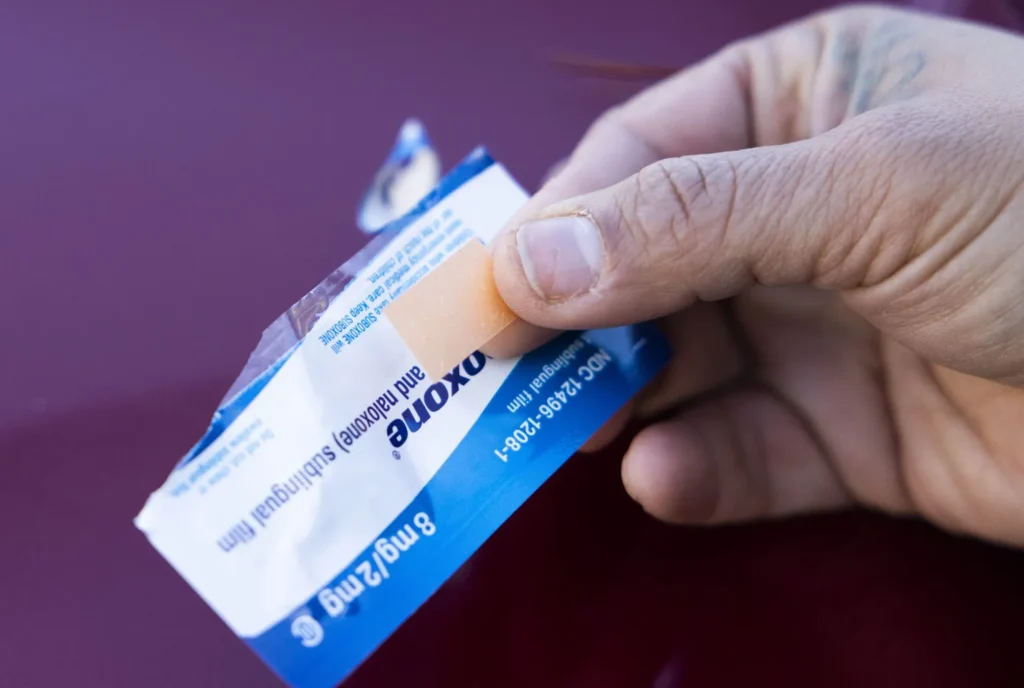
Starting Suboxone after fentanyl can be tricky. Taking buprenorphine too early can cause a sudden worsening of withdrawal called precipitated withdrawal.
The good news is that this risk can often be reduced with careful timing and an individualized induction plan.
For a traditional Suboxone induction after fentanyl, I focus more on how much withdrawal someone is actually experiencing than on an exact number of hours since their last fentanyl use. I generally prefer a Clinical Opiate Withdrawal Scale (COWS) score of at least 15 and would not usually begin a traditional induction below 14, along with clear objective signs of withdrawal.
That is a cautious clinical approach, not a guarantee that precipitated withdrawal cannot occur.
Be Well Medical Group provides outpatient treatment for opioid use disorder through telehealth across California and Alaska.
Worried about starting Suboxone after fentanyl?
You do not have to figure out the timing on your own. We can develop an individualized induction plan based on your fentanyl use, withdrawal symptoms, previous experiences with Suboxone, and medical history.
What Is Suboxone?
Suboxone contains buprenorphine and naloxone and is used to treat opioid use disorder.
Buprenorphine is a partial opioid agonist. It binds strongly to opioid receptors, reducing withdrawal and cravings without producing the same opioid effect as fentanyl, heroin, or other full opioid agonists.
When used as part of an individualized treatment plan, buprenorphine can help people stabilize and reduce ongoing illicit opioid use.
What Is Precipitated Withdrawal?
Precipitated withdrawal is a rapid worsening of opioid withdrawal after buprenorphine is started too soon.
Buprenorphine binds very strongly to opioid receptors and can displace fentanyl or another full opioid agonist, potentially leading to buprenorphine-precipitated withdrawal. Because buprenorphine activates those receptors less strongly, that sudden transition can cause withdrawal symptoms to intensify quickly.
Symptoms may include:
- Severe restlessness or anxiety
- Muscle and body aches
- Sweating and chills are common opioid withdrawal symptoms.
- Nausea, vomiting, or diarrhea
- Abdominal cramping
- Runny nose and watery eyes
- Dilated pupils
- Rapid heart rate
- Difficulty sleeping
Precipitated withdrawal can be extremely uncomfortable. If symptoms are severe, persistent, or associated with significant vomiting, dehydration, fainting, confusion, breathing problems, chest pain, or another concerning symptom, urgent medical evaluation may be necessary.
Does Suboxone Block Fentanyl?
Once someone is stabilized on an adequate dose of buprenorphine, it can blunt or reduce the effects of fentanyl and other opioids.
Buprenorphine has a very high affinity for opioid receptors. This strong receptor binding is part of what helps reduce withdrawal and cravings while making it more difficult for other opioids to produce the same effects.
However, Suboxone does not make fentanyl use safe and should never be relied upon to prevent an overdose. Fentanyl can still cause serious or fatal overdose, particularly when combined with alcohol, benzodiazepines, or other sedating substances.
This same strong receptor binding helps explain why timing matters when initially starting treatment. If buprenorphine displaces fentanyl before enough withdrawal has developed, symptoms can suddenly worsen.
Why Is Starting Suboxone After Fentanyl Different?
Fentanyl can make traditional buprenorphine induction less predictable, which can make the risk of precipitated withdrawal harder to predict.
With repeated fentanyl exposure, simply counting the hours since the last use may not reliably tell us when someone is ready to begin Suboxone.
That is why I generally consider the degree of withdrawal and objective withdrawal findings more important than the clock alone.
Instead of asking only:
“Has it been 12, 24, or 48 hours?”
A better question is:
“Am I experiencing enough opioid withdrawal for the induction strategy my clinician has recommended?”
How Long After Fentanyl Should You Wait Before Taking Suboxone?
There is no single number of hours that is appropriate for everyone.
With a traditional induction, buprenorphine is generally started after opioid withdrawal has become clearly established. Some people using fentanyl may reach adequate withdrawal sooner, while others may need substantially longer.
This is why fixed rules such as “always wait 24 hours” or “always wait 72 hours” can be misleading.
Your withdrawal symptoms, objective findings, pattern of fentanyl use, previous experiences with buprenorphine, and planned induction method all matter.
What COWS Score Should You Have Before Starting Suboxone After Fentanyl?
The Clinical Opiate Withdrawal Scale (COWS) is one tool clinicians use to assess the severity of opioid withdrawal symptoms before a traditional buprenorphine induction.
For patients transitioning from fentanyl, I generally prefer a COWS score of 15 or higher and would not usually begin a traditional induction below 14.
I intentionally take a cautious approach because fentanyl can make traditional induction less predictable.
However, the COWS number is only one part of the decision. I also look for convincing objective signs of withdrawal and consider recent fentanyl use, frequency and pattern of use, previous Suboxone experiences, other substances or medications, and medical history.
A COWS score of 14 or 15 does not guarantee that precipitated withdrawal cannot occur.
What Are Signs That You Are Ready to Start Suboxone?
With a traditional induction, we want to see clear evidence of opioid withdrawal rather than just mild discomfort.
Withdrawal findings can include:
- Yawning
- Runny nose or watery eyes
- Sweating
- Dilated pupils
- Goosebumps
- Restlessness
- Muscle or joint aches
- Abdominal discomfort
- Nausea or diarrhea
- Increasing heart rate
A few mild symptoms alone may mean you are not yet ready to start Suboxone.
Having an induction plan before you stop using fentanyl can make this process easier because you know what symptoms to watch for and what to do if the transition does not go as expected.
Is a COWS Score of 14 or 15 a Guarantee Against Precipitated Withdrawal?
No.
COWS is a useful clinical tool, but there is no single score that guarantees precipitated withdrawal will not occur.
For a traditional induction after fentanyl, I generally use 14 as a minimum and prefer 15 or higher, together with clear objective withdrawal findings.
This is also why I do not recommend deciding when to start based on a COWS number alone.
Do You Always Have to Wait for Moderate Withdrawal?
Not necessarily.
Traditional induction is only one approach to starting buprenorphine. For some patients—particularly those who have previously had difficulty tolerating traditional induction after fentanyl exposure—a clinician may consider an alternative initiation strategy.
You may hear terms such as:
- Low-dose buprenorphine initiation
- Low-dose overlap initiation
- Microinduction
- Microdosing
- Bernese Method
These approaches use a different strategy than traditional induction and may allow buprenorphine to be introduced without first waiting for the same degree of withdrawal.
They still require an individualized treatment plan. They should not be interpreted as simply taking Suboxone earlier on your own.
What If You Have Had Precipitated Withdrawal Before?
Tell your clinician.
A previous episode of precipitated withdrawal does not mean that buprenorphine treatment cannot work for you.
It is helpful to review what opioid you were using, when you took your first buprenorphine dose, how much withdrawal you were experiencing beforehand, and what happened afterward.
That information can help determine whether a different timing strategy or initiation method would be appropriate.
Can You Start Suboxone at Home?
Yes. For appropriately selected patients, buprenorphine can often be started at home using a clinician-developed induction plan.
Home induction doesnot mean figuring it out on your own.
Before starting, you should know:
- What withdrawal symptoms to watch for
- When your clinician wants you to begin
- How to take your prescribed medication
- What to do if symptoms improve
- What to do if symptoms suddenly worsen
- How to contact your treatment team
- When urgent or emergency care is necessary
For many patients, telehealth makes it possible to receive this support without traveling to an addiction treatment clinic.
Can Medications Help While You Wait to Start Suboxone?
Sometimes
Depending on your symptoms, medical history, and other medications, a clinician may prescribe non-opioid medications to help with nausea, diarrhea, muscle aches, anxiety, insomnia, or other withdrawal symptoms while you wait to begin buprenorphine.
These medications should be individualized rather than borrowed or combined on your own.
What Should You Do If Precipitated Withdrawal Happens?
If you think you are experiencing precipitated withdrawal, contact the clinician managing your induction.
Management depends on the severity of your symptoms, what you have taken, your medical history, and the induction strategy being used.
Do not assume that you should stop Suboxone, take additional Suboxone, or return to fentanyl without discussing the situation with your treating clinician.
Seek urgent medical care for severe or uncontrollable vomiting, significant dehydration, fainting, chest pain, difficulty breathing, severe confusion, loss of consciousness, or another medical emergency.
Is Precipitated Withdrawal Common After Fentanyl?
Precipitated withdrawal is possible, but it doesnot happen to everyone who uses fentanyl.
Fentanyl has made initiation less predictable for some patients, and the actual risk of buprenorphine-precipitated withdrawal varies among studies and clinical settings.
Fear of precipitated withdrawal should not prevent someone from considering buprenorphine treatment. The goal is to select an initiation strategy that fits the individual patient rather than applying the same protocol to everyone.
Why Suboxone Is Still Worth Considering
Fear of precipitated withdrawal sometimes causes people to postpone treatment even when they want to stop using fentanyl.
Buprenorphine is an effective medication for opioid use disorder. It can reduce opioid withdrawal and cravings and help people reduce or stop illicit opioid use.
Treatment also does not need to be punitive.
My approach to addiction care is collaborative and nonjudgmental. The goal is to develop a treatment plan that you can realistically follow and then adjust that plan as your needs change.
Telehealth Suboxone Treatment in California and Alaska
Be Well Medical Group provides outpatient treatment for opioid use disorder through telehealth across California and Alaska.
Telehealth can be especially useful if you have difficulty finding local addiction treatment, live far from a clinic, have work or family responsibilities, or simply prefer receiving care privately from home.
Suboxone Treatment in Alaska
We provide telehealth addiction treatment for adults throughout Alaska, including patients in Anchorage, Fairbanks, Juneau, and rural communities.
Suboxone Treatment in California
California patients can receive opioid use disorder treatment through telehealth, with in-person care through Be Well Medical Group in Beverly Hills when appropriate.
Worried About Starting Suboxone After Fentanyl?
You do not have to determine the right time to start on your own.
Be Well Medical Group can develop an individualized treatment plan based on your fentanyl or opioid use, withdrawal symptoms, previous Suboxone experience, medical history, and treatment goals.
Our opioid use disorder treatment may include:
- Individualized Suboxone/buprenorphine initiation planning
- Telehealth appointments throughout California and Alaska
- Medication management after induction
- Treatment of co-occurring mental health concerns when clinically appropriate
- Ongoing monitoring based on your individual needs
- A collaborative, nonjudgmental approach to addiction treatment
Ready to get started?
Schedule an appointment with Be Well Medical Group to discuss the safest way for you to transition from fentanyl or another opioid to buprenorphine.
Frequently Asked Questions About Suboxone and Fentanyl
Can I take Suboxone 24 hours after fentanyl?
Possibly, but 24 hours is not a reliable rule for everyone, especially for people who use fentanyl. With fentanyl, I focus more on withdrawal severity and objective withdrawal signs than the number of hours alone.
What COWS score should I have before taking Suboxone after fentanyl?
For a traditional induction after fentanyl, I generally prefer a COWS score of at least 15 and would not usually start below 14. The score is only one part of the decision, and reaching a particular score does not guarantee that precipitated withdrawal cannot occur.
Should I wait 48 or 72 hours after fentanyl?
Not necessarily. Some people may require a longer waiting period, while others develop adequate withdrawal sooner. There is no universal 48- or 72-hour rule that works for everyone.
What happens if I take Suboxone too early?
Buprenorphine can displace fentanyl or another full opioid agonist from opioid receptors and cause withdrawal symptoms to worsen rapidly. This is called precipitated withdrawal.
Does Suboxone block fentanyl?
An adequate dose of buprenorphine can blunt the effects of fentanyl and other opioids, but it does not make fentanyl use safe and should not be relied upon to prevent an overdose.
Can I start Suboxone without going into withdrawal?
Traditional induction generally requires established opioid withdrawal first. Alternative low-dose initiation strategies may sometimes be considered when traditional induction is difficult or undesirable.
Can I start Suboxone through telehealth?
For appropriate patients, buprenorphine treatment and home induction can often be managed through telehealth using an individualized treatment plan and appropriate follow-up.
Medical Disclaimer
This article is for educational purposes only and does not constitute individualized medical advice, diagnosis, or treatment related to substance use. Starting or changing buprenorphine should be done with guidance from a qualified healthcare professional. If you are experiencing severe withdrawal, difficulty breathing, chest pain, loss of consciousness, severe dehydration, or another medical emergency, seek urgent medical attention.