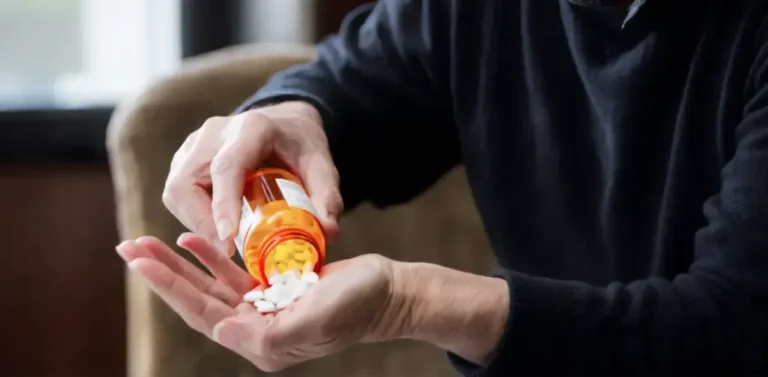
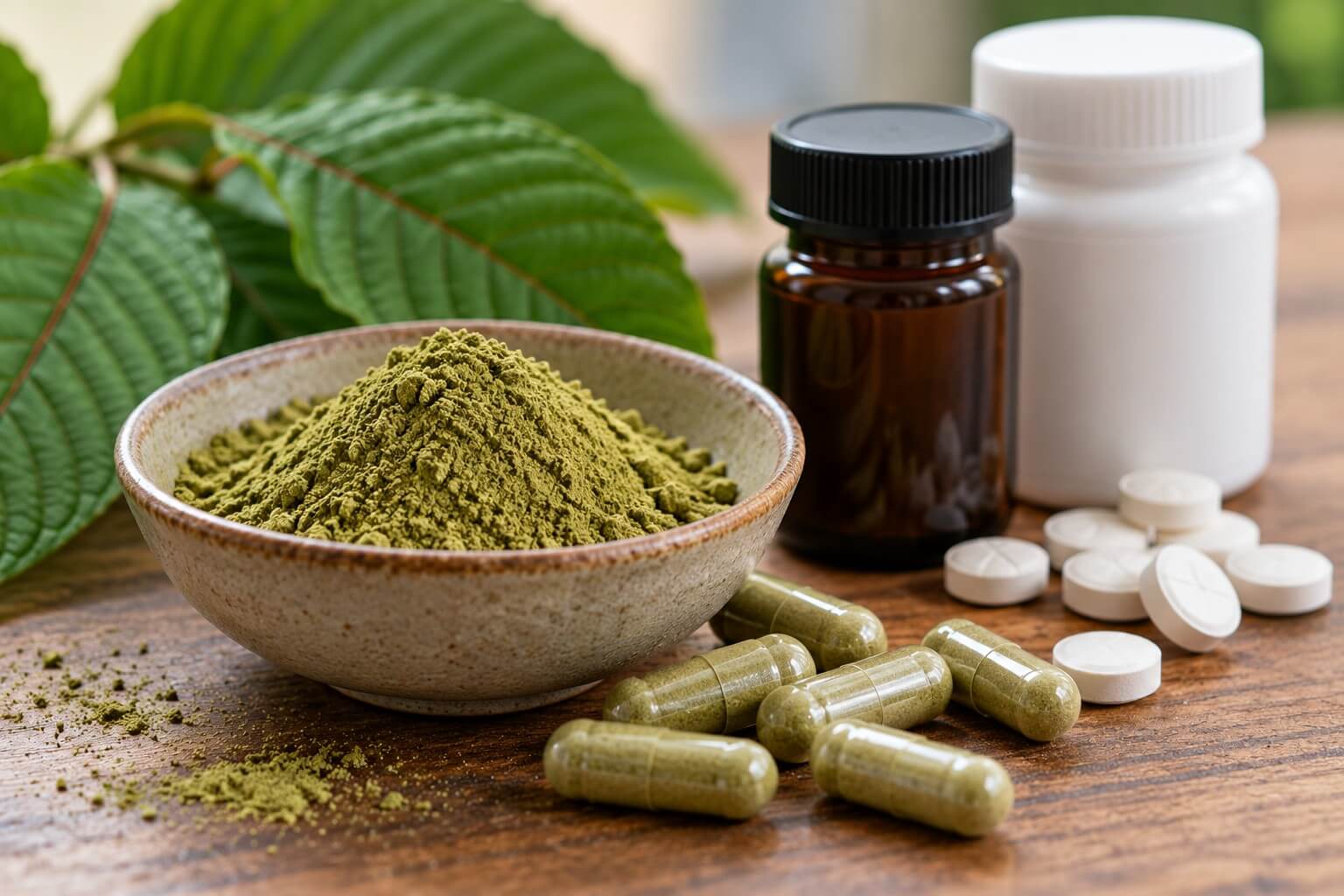
You may have started kratom or 7-OH for pain, anxiety, energy, sleep, or to stay away from another opioid. Then you noticed that missing a dose made you feel sick, which could be a sign of 7-OH withdrawal symptoms.
If that sounds familiar, you can ask for help without judgment. Be Well Medical Group helps adults in California and Alaska evaluate kratom or 7-OH dependence, manage withdrawal, and discuss treatment options—including buprenorphine/Suboxone when clinically appropriate.
You do not need to stop using before asking for help.
You Were Looking for Relief
Products sold openly at gas stations, smoke shops, or online can seem less risky than prescription or illicit drugs. Labels such as “natural,” “botanical,” or “wellness” can reinforce that impression.
You may have been trying to manage pain, get through work, improve your mood, or avoid another substance while dealing with the challenges of kratom use. Developing physical dependence does not mean you intended for this to happen.
What matters now is figuring out what you are taking, what happens when you try to stop, and what kind of support you need.
What Is Kratom?
Kratom comes from the leaves of the Mitragyna speciosa tree, native to Southeast Asia. Its main active compound is mitragynine, along with smaller amounts of other alkaloids, including 7-hydroxymitragynine (7-OH).
These compounds affect several signaling systems in the brain, but their activity at the mu-opioid receptor is particularly important. This is the same receptor system involved in the effects of opioids such as morphine, oxycodone, and fentanyl, although kratom’s pharmacology is not identical to those medications.
Mitragynine has relatively weaker activity at the mu-opioid receptor, and some of it is converted by the body into 7-OH, a substantially more potent opioid-receptor agonist. This helps explain why kratom can produce pain relief, relaxation, and other opioid-like effects — and why repeated use can lead to tolerance, physical dependence, withdrawal, or respiratory depression.
Kratom products are sold as leaf powder, capsules, teas, extracts, and other formulations. Kratom is not FDA-approved to treat pain, anxiety, opioid withdrawal, or other medical conditions.
What Is 7-OH?
7-OH, or 7-hydroxymitragynine, is an opioid-active compound associated with kratom. It occurs naturally in traditional kratom leaf in small amounts, but many newer commercial products contain enhanced or concentrated 7-OH and are sold as tablets, gummies, shots, drink mixes, or other formulations.
7-OH activates the mu-opioid receptor much more strongly than mitragynine. As a result, concentrated 7-OH products can produce more pronounced opioid-like effects and may also carry greater potential for tolerance, dependence, withdrawal, or respiratory depression.
This is one reason a concentrated 7-OH product should not be treated as simply another form of traditional kratom leaf.
Why You Cannot Change Kratom and 7-OH Tablets
A scoop of kratom powder, an extract shot, and a concentrated 7-OH tablet are not interchangeable. Product strength and ingredients can vary substantially.
If possible, bring the package or photographs of the product and label to your appointment. That information can help us understand what you have actually been taking rather than relying on a brand name alone, especially in the context of addiction treatment.
Can Kratom or 7-OH Cause Withdrawal?
Yes, understanding your experience with withdrawal symptoms is crucial for effective addiction treatment. Repeated use can lead to physical dependence, meaning you develop symptoms when you reduce the amount or stop.
Withdrawal may include:
- Restlessness or anxiety
- Sweating or chills
- Muscle and body aches
- Nausea, diarrhea, or stomach discomfort
- Irritability
- Difficulty sleeping
- Cravings or a strong urge to take another dose
The severity and duration of withdrawal vary considerably depending on the product, amount, frequency of use, and individual factors. Concentrated 7-OH products may behave differently from traditional kratom preparations.
Signs It May Be Time to Get Help
You do not need to wait until your use becomes a crisis. Consider scheduling an evaluation if you are:
- Feeling sick when a dose is late
- Taking doses more frequently than you used to can lead to increased risk of withdrawal syndrome when trying to stop kratom or 7-OH.
- Taking more than you intended
- Spending more money than you can comfortably afford
- Repeatedly trying to reduce or stop without success
- Using primarily to avoid withdrawal
- Continuing despite problems with your health, work, relationships, or finances
- Worried that your product may become unavailable
If you are taking kratom or 7-OH just to feel normal, we can help you discuss your options.
How Do You Get Off Kratom or 7-OH?
There is no single treatment plan that is right for everyone.
We start by understanding the specific product you use, how much and how often you take it, what happens when you reduce it, previous attempts to stop, other substance use, medications, medical conditions, and what the product was originally helping you manage.
Depending on that assessment, treatment may involve a gradual reduction, medications for specific withdrawal symptoms, buprenorphine treatment for selected patients, or referral to a higher level of care when outpatient treatment is not appropriate.
Gradual Reduction
Some patients may be able to reduce their use gradually with clinician guidance and follow-up.
There is no universal conversion or taper schedule that works across kratom powders, extracts, and concentrated 7-OH products. We individualize the plan based on your use, symptoms, response, and safety.
Treatment for Withdrawal Symptoms
Certain medications may help with symptoms such as nausea, diarrhea, sweating, restlessness, anxiety, or sleep disruption.
We review your medical history, medications, and other substance use before determining which options are appropriate.
We also talk about cravings and what happens when symptoms such as pain, anxiety, or insomnia—the reasons you may have started using the product—return during the withdrawal timeline.
Can Suboxone Help With Kratom or 7-OH Withdrawal?
For selected patients, it may.
Buprenorphine/naloxone, commonly known by the brand name Suboxone, has been used to treat people with significant kratom dependence and withdrawal. More recent clinical reports also describe its use for dependence involving concentrated 7-OH products.
However, there is a need for comprehensive support during the withdrawal timeline to address both physical symptoms and psychological challenges. no FDA-approved medication specifically for kratom or 7-OH use disorder, and evidence for these newer products remains limited. Whether buprenorphine makes sense depends on the severity of your dependence, withdrawal symptoms, other opioid exposure, previous treatment, and your goals.
Starting Buprenorphine Safely
The timing of buprenorphine initiation matters because taking it under the wrong circumstances can cause precipitated withdrawal—a sudden worsening of withdrawal symptoms, especially during kratom withdrawal.
We review your recent kratom or 7-OH use, other substances, current symptoms, and medical history before developing a starting plan.
Do not use someone else’s prescription or rely on a generic online conversion between kratom, 7-OH, and Suboxone.
Wondering whether Suboxone could help you stop kratom or 7-OH?
You Do Not Necessarily Need Inpatient Detox
Some people can receive treatment in an outpatient setting, including through telehealth when clinically appropriate.
Others need a higher level of care because of severe withdrawal, medical instability, significant psychiatric symptoms, withdrawal from alcohol or benzodiazepines, or other safety concerns.
We assess whether outpatient treatment fits your situation rather than automatically sending everyone to inpatient treatment.
Care Goes Beyond Withdrawal
Stopping kratom or 7-OH does not automatically resolve the withdrawal syndrome that led you to start using it.
Pain, anxiety, insomnia, depression, stress, another substance use disorder, or difficult life circumstances may still need attention.
In my addiction-medicine work, I also want to understand what happens between appointments—your routines, relationships, stressors, support system, and the situations that make returning to use more likely. The goal is not simply getting you through a few uncomfortable days of kratom withdrawal but ensuring a sustainable path to recovery. It is developing a plan you can realistically maintain.
You Can Be Honest About Setbacks
If you return to using kratom or 7-OH, please tell us.
A setback gives us useful information about cravings, withdrawal, medication, stress, triggers, or the level of support you need. You do not have to hide a difficult week to remain engaged in treatment.
Medical Risks and Overdose Prevention
Kratom and concentrated 7-OH products have been associated with serious adverse effects, including potential kratom withdrawal. Kratom has also been associated with liver injury and seizures.
Tell us about alcohol, benzodiazepines, opioids, sedating medications, stimulants, and other substances you use so we can better understand your risks.
We discuss harm reduction, naloxone access, medication interactions, and whether testing or in-person evaluation is needed for those undergoing medical detox.
When to Get Emergency Help
If someone cannot be awakened, is breathing slowly or irregularly, turns blue or gray, or appears to be experiencing an overdose from using 7-OH, call 911 and administer naloxone if available, as it may help counteract the effects of overdose related to kratom use..
Stay with the person until emergency help arrives.
Kratom and 7-OH Treatment in California
Be Well Medical Group offers addiction-treatment evaluations for adults in person in Beverly Hills and through telehealth throughout California when clinically appropriate.
We’re in-network with Aetna PPO and Optum Behavioral Health, with coverage depending on your specific benefits and eligibility.
Live in Los Angeles, Beverly Hills, West Hollywood, Santa Monica, or elsewhere in California?
Kratom and 7-OH Treatment in Alaska
We provide telehealth addiction care for adults in Anchorage, Fairbanks, Homer, Juneau, and communities throughout Alaska when clinically appropriate.
We’re in-network with Alaska Medicaid, Aetna PPO, Moda Health, and Curative, with coverage depending on your specific plan and eligibility.
Looking for help stopping kratom or 7-OH in Alaska?
Frequently Asked Questions
Can I become dependent on something I bought at a gas station or smoke shop?
Yes. Where a product is sold does not determine whether it can cause dependence. Some people do not recognize the risk until they begin experiencing withdrawal between doses.
Is concentrated 7-OH the same as ordinary kratom leaf?
No. Concentrated or enhanced 7-OH products can contain much more 7-hydroxymitragynine than is naturally present in botanical kratom. The products should not be assumed to have the same effects or risks.
Do I need to stop using before my first appointment?
No. You can schedule an appointment while you are still using kratom or 7-OH. Tell us what you take and what happens when you miss or reduce a dose. We will discuss next steps and any medication timing requirements with you.
Does everyone need Suboxone?
No. Some patients may be able to stop using with gradual reduction, symptom-focused treatment, and follow-up. Others may benefit from buprenorphine after an individualized assessment.
Do I need inpatient rehab?
Not necessarily. Some patients can be treated as outpatients. Severe symptoms, medical instability, significant psychiatric concerns, or withdrawal from certain other substances may require a higher level of care.
Will I need to stay on medication forever?
No. There is no automatic lifelong commitment. If medication treatment is appropriate, duration depends on your diagnosis, treatment response, stability, goals, and safety.
Can I get help if I’m not sure I’m ready to quit?
Yes. You do not need to arrive with a perfect plan or complete certainty. We can talk about what concerns you, what you want to change, and what feels manageable right now.
Can I transfer care if I already take Suboxone?
Yes. We can evaluate you for ongoing treatment and review your current prescription, previous treatment, stability, and monitoring needs.
Addiction Care With Isaac Berlin, MSN, FNP-C
I’m Isaac Berlin, a board-certified Family Nurse Practitioner who has provided addiction medicine care since 2022. I completed UCI’s Primary Care Psychiatry Fellowship and am currently completing UCI’s PC-TEAM Addiction Medicine Fellowship.
My approach combines medication treatment when appropriate with attention to mental health, physical health, and everyday life. You can talk openly about what you use, why you started, what has been difficult, and what you want to change.
Get Help Stopping Kratom or 7-OH
You may have started looking for relief and ended up managing a dependence you never expected.
You do not have to wait until withdrawal gets worse or your supply runs out to ask for help.
Be Well Medical Group provides treatment in California and Alaska, including telehealth when clinically appropriate.
Schedule a Kratom or 7-OH Treatment Evaluation