
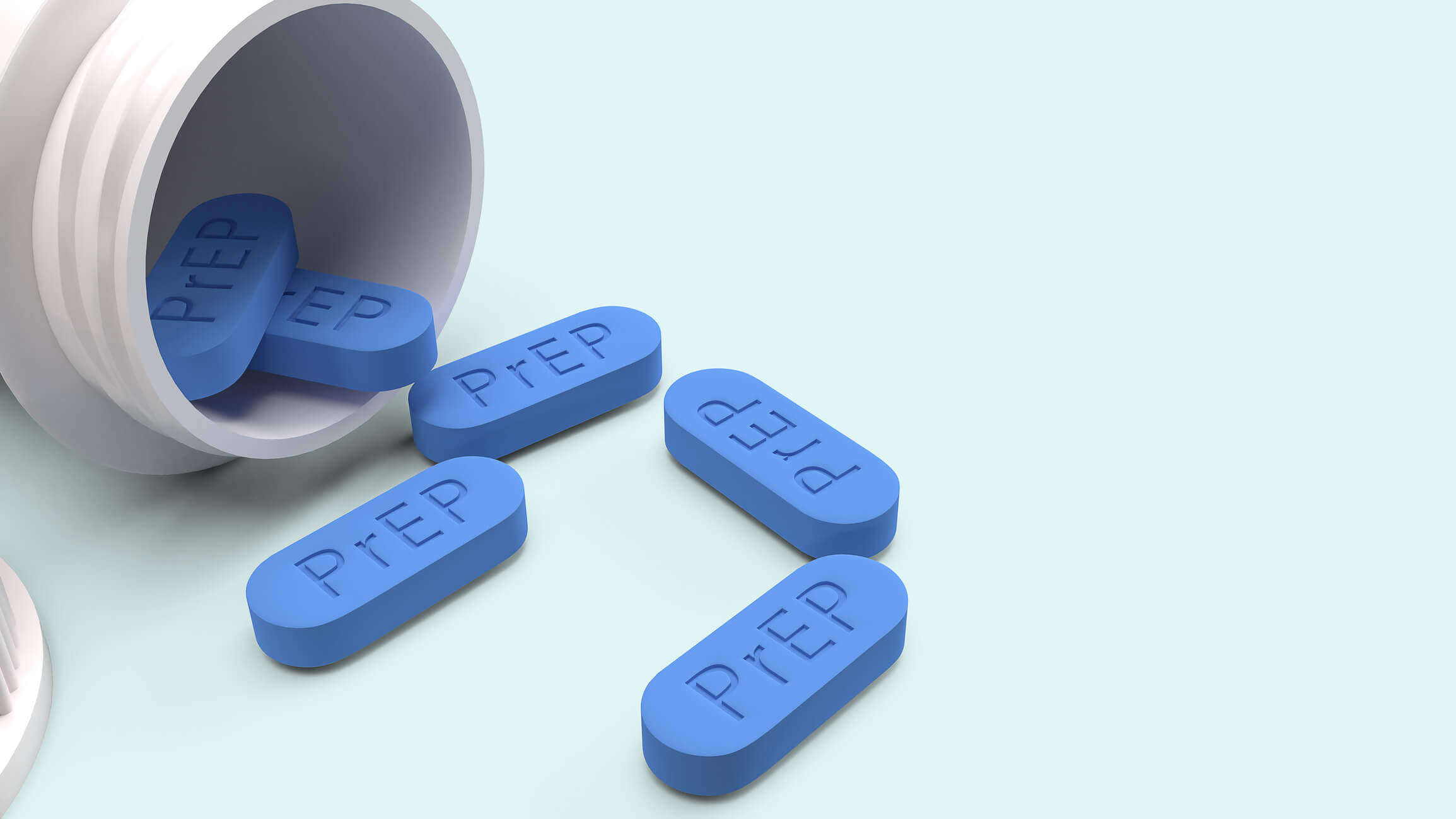
Pre-Exposure Prophylaxis (PrEP) is a preventive medical treatment for people who are HIV-negative but have an increased chance of coming into contact with HIV.
The word “prophylaxis” simply means to prevent or control the spread of an infection or disease. When taken or administered as prescribed, PrEP is incredibly effective, reducing the risk of getting HIV from sex by about 99%.
Key Takeaways
- Pre-exposure prophylaxis (PrEP) is an HIV medication taken by HIV-negative individuals to prevent contracting the virus.
- When taken exactly as prescribed, it reduces the risk of getting HIV by about 99% from sex and at least 74% from injection drug use.
- PrEP protects against HIV during sex without a condom (or if a condom breaks), but it offers no protection against other sexually transmitted infections (STIs).
- The FDA has approved four options: daily pills (Truvada and Descovy), long-acting injections (Apretude and Yeztugo).
How PrEP Works
Pre-Exposure Prophylaxis consists of antiretroviral medications; the same types of drugs used to treat active HIV infections. If a person is exposed to HIV, these medications block the virus from entering cells, copying itself, and establishing a permanent infection within the body.
For PrEP to work effectively, the medication must build up to a consistent, protective concentration in the body’s tissues.
The Main Types of Pre-Exposure Prophylaxis Available
The options for taking PrEP have expanded significantly to fit different lifestyles and needs:
1. Daily Oral Pills
These are standard, once-a-day pills that combine two anti-HIV drugs.
- Truvada® (and its generic equivalents): Approved for anyone at risk of HIV through sex or injection drug use.
- Descovy®: A newer formulation that is slightly easier on the kidneys and bones. It is approved for sexually active men and transgender women, but it has not yet been studied or approved for individuals at risk through receptive vaginal sex.
2. Long-Acting Injectables
For those who experience “pill fatigue” or struggle to take a tablet at the same time every day, injectables offer a highly effective alternative:
- Apretude® (Cabotegravir): Given as an intramuscular injection in the glute every two months.
- Yeztugo® (Lenacapavir): A highly convenient option administered just twice a year (every six months) via subcutaneous injection.
There is also an “Event-Driven” or “As Needed” oral method (sometimes called the 2-1-1 schedule), where pills are taken strictly before and after sexual activity. This method is primarily studied and utilized by gay and bisexual cisgender men.
Key Things to Know About PrEP
- It does not protect against other STIs: PrEP only prevents HIV. It will not prevent other sexually transmitted infections like gonorrhea, chlamydia, or syphilis, which is why barrier methods (like condoms) are still recommended alongside it.
- It requires routine medical visits: To stay on PrEP safely, individuals need to see a healthcare provider regularly (usually every 2 to 6 months, depending on the type of PrEP). These appointments include mandatory HIV testing (taking PrEP while actually having HIV can cause the virus to become resistant to treatment) alongside quick kidney function and STI screenings.
- It is temporary and flexible: PrEP does not have to be taken forever. Many people use it during specific periods of their life when their likelihood of exposure is higher, and stop taking it if their circumstances change.
How to Choose a Pre-Exposure Prophylaxis Method
The right option depends on factors like route of exposure, kidney/bone health, ability to stick with a daily pill vs. periodic injections, cost/insurance coverage, and personal preference.
Our team at Be Well Medical Group will help you match the best option to individual circumstances: including baseline HIV/kidney testing before starting and periodic follow-up testing while on PrEP.
How Effective Is Pre-Exposure Prophylaxis (PrEP)
PrEP is highly effective when taken as prescribed — among the most effective HIV prevention tools available. Here’s how the numbers break down by type:
Oral PrEP
Truvada (TDF/FTC)
- Reduces HIV risk from sex by about 99% when taken consistently
- Reduces risk from injection drug use by at least 74% when taken consistently
- Effectiveness drops significantly with inconsistent use — this is the main real-world limitation, since it requires daily adherence.
Descovy (TAF/FTC)
Similarly high effectiveness for people at risk through anal sex, with a comparable protection profile to Truvada, but a better kidney/bone safety record.
Long-acting injectables
Apretude (cabotegravir)
In trials, it reduced HIV risk even more effectively than daily Truvada, largely because it removes the daily-adherence problem (you don’t have to remember a pill every day).
Yeztugo (lenacapavir) — the newest and most effective option so far
- In the trials that led to FDA approval, lenacapavir showed 100% efficacy at reducing HIV infection among females and 96% efficacy among a primarily male trial population over a year of follow-up.
- Compared directly against daily Truvada, among gay and bisexual men and transgender people, the lenacapavir group had an 89% lower HIV rate than the Truvada group.
- In the trial among cisgender women in sub-Saharan Africa, there were zero HIV infections in the lenacapavir group.
Why “real-world” effectiveness varies
The efficacy numbers above come from clinical trials. In everyday use, effectiveness depends heavily on adherence:
- Daily pills only work if taken daily (or very close to it) — missed doses meaningfully lower protection.
- This is exactly why the injectable options are considered a breakthrough: adherence to available PrEP regimens has been suboptimal, and needing only 2 (lenacapavir) or 6 (cabotegravir) doses a year instead of 365 pills removes the biggest failure point.
Important caveats
PrEP protects against HIV only: it doesn’t protect against other STIs or pregnancy, so condoms or other methods are still relevant for those
It takes time to reach full protection after starting (roughly 7 days for receptive anal sex, up to 21 days for vaginal sex/injection drug use with daily oral PrEP) — timing matters if starting around a specific exposure risk
Regular follow-up testing (HIV, kidney function, STIs) is part of staying on PrEP safely.
What Are the Main Side Effects
Side effect profiles vary a bit by which PrEP option you’re on. Here’s a breakdown:
Truvada (TDF/FTC)
- Most common: mild nausea, headache, and fatigue during the first few weeks, often called the “start-up syndrome,” which typically resolves within a month.
- Less common but more concerning with long-term use: small decreases in kidney function and bone mineral density.
- Rare: more serious kidney problems, especially in people with pre-existing kidney issues.
Descovy (TAF/FTC)
- Similar mild early side effects (nausea, headache).
- Generally gentler on kidneys and bones than Truvada, which is part of why it’s often preferred for people with kidney risk factors.
- Has been associated with modest weight gain and changes in cholesterol/lipid levels in some studies.
Apretude (cabotegravir)
- Injection-site reactions are the most common issue — pain, swelling, or redness at the injection site, sometimes lasting several days.
- Headache, fever, fatigue, and muscle aches can occur, especially after the first couple of doses.
- A less common but notable concern: if someone does acquire HIV while on cabotegravir, it can take longer to detect on standard tests and raises a small risk of drug resistance — which is why regular testing before each injection matters.
Yeztugo (lenacapavir)
- Injection-site reactions are the most frequently reported side effect: including pain, swelling, or the formation of small nodules at the injection site, which can persist for a while given the long-acting depot formulation.
- Otherwise generally well-tolerated, with mild to moderate injection-site reactions as the most common issue reported in trials.
Most side effects are mild and temporary, especially for oral options.
Serious side effects are uncommon, but regular monitoring (kidney function tests, HIV testing) is part of standard PrEP care specifically to catch any issues early.
If someone has pre-existing kidney disease, that’s usually flagged during the initial evaluation, since it can affect which PrEP option is recommended.
PrEP vs PEP
It is easy to confuse PrEP with PEP (Post-Exposure Prophylaxis), but they serve opposite timelines:
- PrEP is taken before potential exposure to keep the virus from taking hold.
- PEP is an emergency regimen taken after a single, distinct potential exposure to HIV (such as a condom break or needle stick). PEP must be started within 72 hours of the exposure and is taken daily for 28 days.
FAQ
What is the purpose of pre-exposure prophylaxis PrEP?
PrEP is medication taken by HIV-negative people before potential exposure to reduce their risk of contracting HIV through sex or injection drug use. It works by keeping enough drug in the body to block the virus from establishing infection.
Which is better, PEP or PrEP?
Neither is “better” — they serve different purposes. PrEP is taken beforehand for ongoing protection; PEP is emergency medication started within 72 hours after a specific exposure. PrEP is preferred for ongoing risk; PEP is for one-time emergencies.
Do I still need condoms on PrEP?
PrEP only protects against HIV — not other STIs (chlamydia, gonorrhea, syphilis, herpes) or pregnancy. Condoms add protection against those. Whether you need them depends on your other risks and personal preference.
More about PrEP & DoxyPEP.